Download file | Play in new window | |
In my first interview with Dr. Sahil Chopra, the Harvard-trained, quadruple board-certified founder of Empower Sleep, we explored how and why he takes a more comprehensive, individualized approach to sleep medicine than traditional providers.
In our second discussion, I wanted to find out more about what each of us can do personally to improve our sleep, especially with the rise of wearable technology and its readily available sleep data. Is that data truly helpful? How do we make sense of it? And which lifestyle adjustments have the biggest impact on our rest?
Dr. Chopra’s insights offer practical guidance for anyone looking to improve their sleep quality.
Making Sense of Your Wearable’s Sleep Data
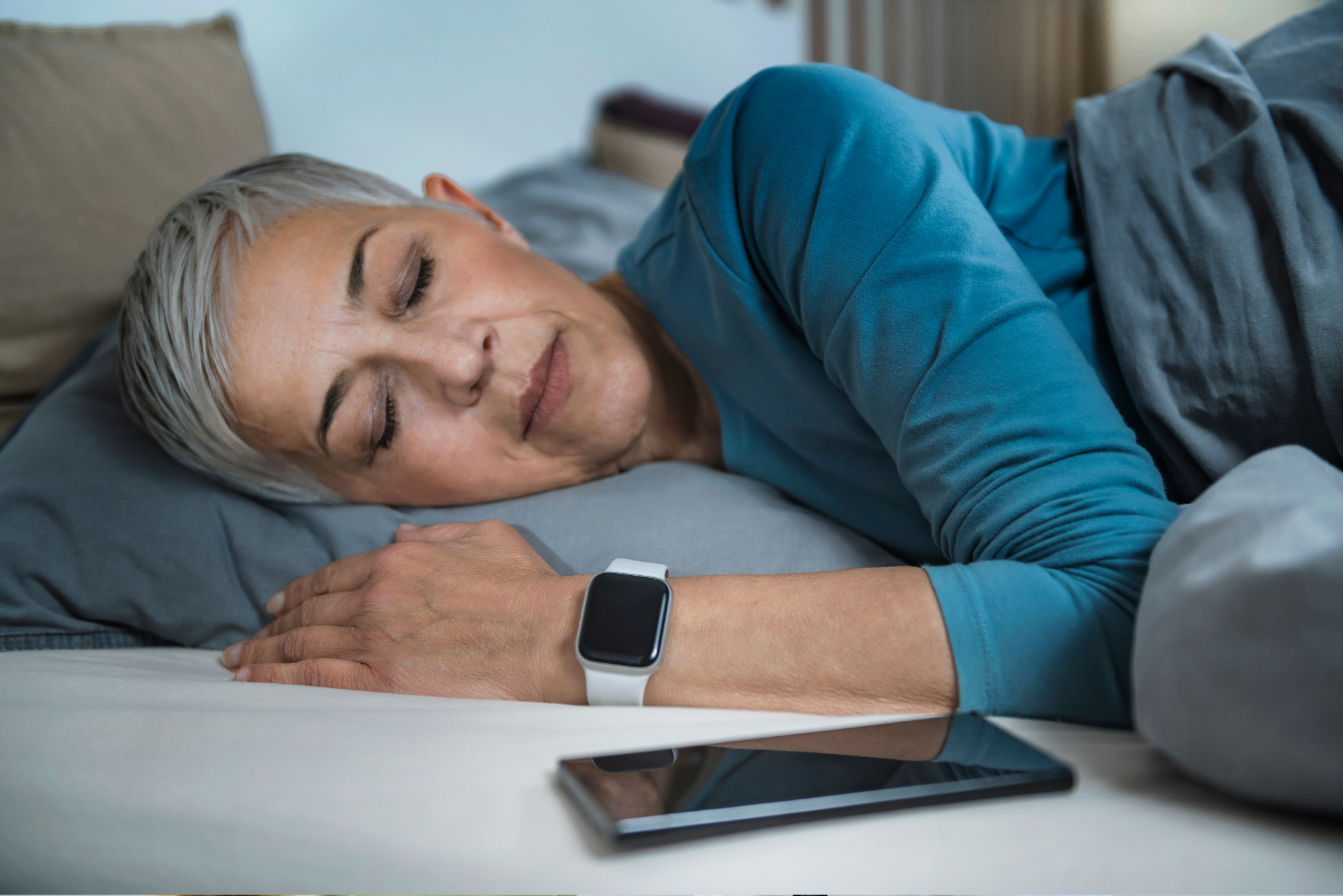
Wearables like Oura Ring, WHOOP, and Apple Watch have made sleep tracking accessible to millions. These devices provide detailed metrics about sleep duration, sleep stages, heart rate, and more. But raw data without context can be confusing.
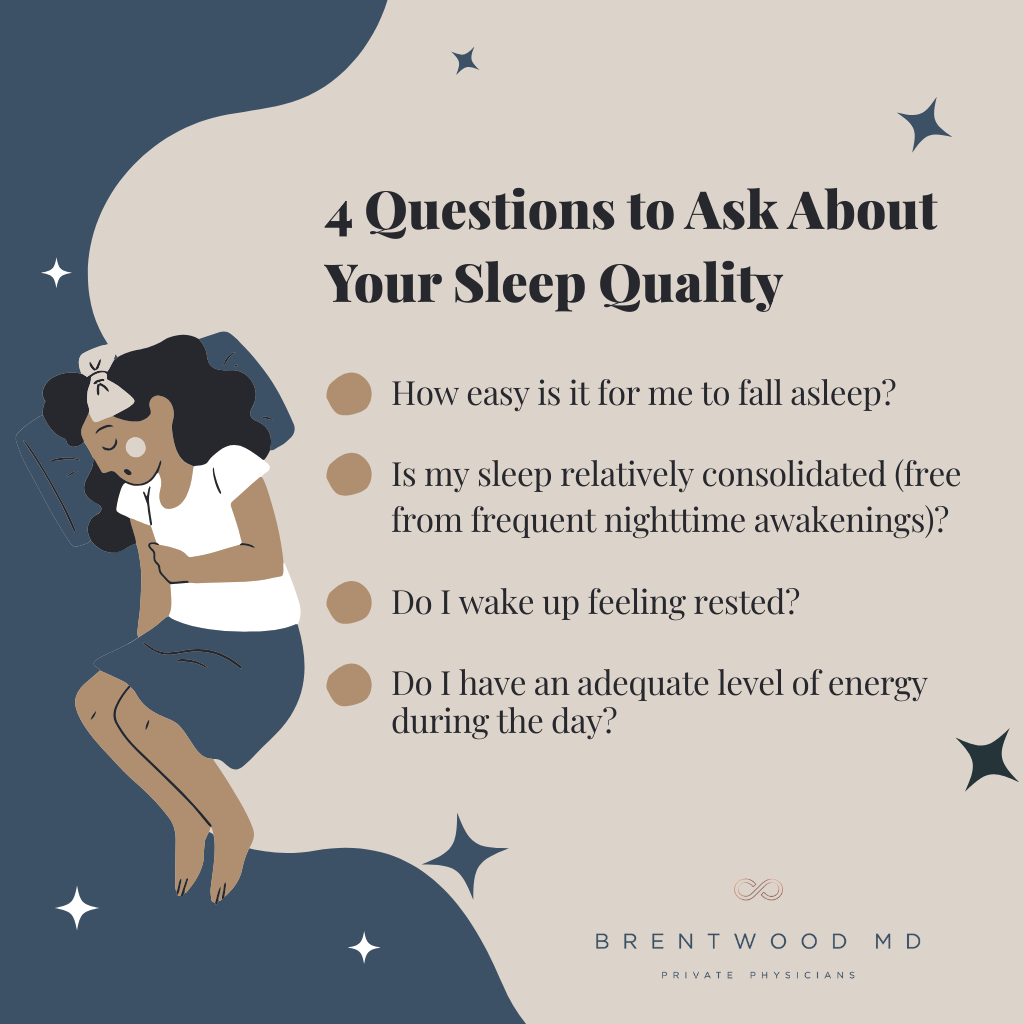
If you’re concerned about your sleep quality or worried about your sleep data, Dr. Chopra recommends starting with your symptoms. Ask yourself these questions:
- How easy is it for me to fall asleep?
- Is my sleep relatively consolidated (free from frequent nighttime awakenings)?
- Do I wake up feeling rested?
- Do I have an adequate level of energy during the day?
If you can answer these questions favorably, Dr. Chopra says, that’s a great place to be. If you discover dysfunction in any of these four categories, however, he suggests that’s an indication to look deeper.
Your wearable can offer a helpful first stop for investigating your sleep quality. “If your wearable device tells you that you have no deep sleep, for example, something is clearly wrong,” he says. “If any of these black box numbers, like a readiness score or sleep score, is really low consistently, something is wrong.”
If your symptoms are mild or your numbers are only a little off, you may be able to address them by experimenting on your own with simple lifestyle changes. But if you’re experiencing significant issues, your solo efforts might not be enough.
Here’s where the limitations of wearable data come into play. “The question becomes, what do I do if these numbers are substantially abnormal?” Dr. Chopra explains. “And the only way to identify why that’s the case is by doing a sleep study.”
While a sleep study with a board-certified sleep specialist and medical-grade testing equipment offers deeper and more specific data on your rest, that isn’t the only reason professional evaluation is important. “Data without context isn’t very helpful, and context without guidance is, again, not very helpful,” Dr. Chopra says.
A sleep specialist can combine wearable data with clinical assessment, consider factors from all angles, and provide detailed guidance on what to do and what not to do for improved sleep.
3 Common Factors That Affect Sleep Quality
When you’re trying to improve sleep, you may start with the obvious: comfort, temperature, darkness, screen time, noise level, etc. These are certainly important, but some seemingly unrelated factors may be flying under the radar.
Whether you’re making adjustments on your own or with the help of a medical professional, take some time to evaluate whether the following elements could be impacting your rest.
Alcohol and Sleep: Not What You Think
Many people in high-stress circumstances use alcohol to help them fall asleep at the end of a stressful or busy day, an understandable instinct given alcohol’s sedative properties. But Dr. Chopra clarifies an important distinction about how alcohol actually affects sleep.
“One can possibly fall asleep faster if they’ve had a lot of alcohol to consume,” Dr. Chopra says. “But the quality of sleep they have is poor.”
Though alcohol makes you sleepy, it suppresses both deep and REM sleep while increasing sleep fragmentation. It can even cause or worsen sleep apnea in some individuals.
Does this mean alcohol is off the table if you want to improve your sleep? Not necessarily. Dr. Chopra has a suggestion for those who enjoy an alcoholic beverage occasionally after work or with dinner: “Give yourself one hour for each drink before you go to bed.”
So, if you have two glasses of wine, make sure to finish up at least two hours before bedtime. It’s not a guaranteed solution, since everyone metabolizes alcohol at different rates, but it generally mitigates the effects of alcohol to improve sleep quality.
For those who use alcohol frequently and specifically to fall asleep, Dr. Chopra suggests trying an alternative means of relaxation, such as meditation or a breathing practice. Done consistently over time and with proper guidance, these proven exercises reduce anxiety, promote relaxation, and improve sleep in most patients Dr. Chopra serves.
Stress and Sleep: Breaking the Cycle
Stress, especially chronic stress, is another sleep disruptor both I and Dr. Chopra encounter frequently.
The biggest problem with stress for sleep is that it throws off the balance between your sympathetic (fight or flight) and parasympathetic (rest and digest) nervous systems. “People who have more stress are in more of a sympathetic overdrive state,” says Dr. Chopra. “In sleep studies, people who are in sympathetic overdrive during this window will have poor quality sleep.”
In other words, stress is the enemy of sleep. But Dr. Chopra shares strategies with his patients to mitigate the impact of stress and boost the parasympathetic nervous system before bed, from breathing practices to vagal nerve stimulation to meditation to deep muscle relaxation.
Weight and Sleep: A Two-Way Street
You may have heard that weight gain can contribute to issues like sleep apnea, but did you know that sleep challenges can contribute to weight gain?
“There is a bidirectional relationship between weight or obesity and sleep issues,” says Dr. Chopra.
From the sleep side, he explains, the mechanism involves hormones. The physiological consequence of sleep disruption is the dysregulation of two important hormones that regulate satiety and hunger: leptin and ghrelin.
“If someone’s sleep is disrupted, it’s not their fault that they’re eating more,” Dr. Chopra says. “Their hormones have been altered as a byproduct of bad sleep.”
This dysregulation actually causes people to feel physically hungrier and to have more difficulty feeling full, increasing the likelihood of consuming carbohydrate-rich foods at higher doses. Over time, especially coupled with a lack of adequate exercise (more likely when you’re consistently exhausted), this leads to weight gain and further sleep problems.
The reverse situation is equally important. Weight gain, particularly around the neck and the upper airway, can narrow the upper airway during sleep, causing or worsening sleep apnea. This in turn contributes to further weight gain.
It’s a vicious cycle. If you’re not sleeping well, it’s harder to lose weight. If you’re overweight, it’s harder to sleep well. But, in Dr. Chopra’s experience, if you can improve one, you can often improve the other.
Better Sleep Is Possible
Dr. Chopra started Empower Sleep because he’s seen firsthand how sleep impacts both immediate and long-term health. “Sleep is the housekeeping process for our body and our physiology,” he says. “It’s the charging process for us. And if it’s broken, then many microprocesses are broken as a byproduct.”
When you work with Empower Sleep, Dr. Chopra and his team use their state-of-the-art resources to both identify your particular sleep issues and provide personalized, guided treatment to make improvements.
One key difference between Dr. Chopra’s approach and other sleep evaluations is that he and his team monitor your sleep not just for one night in a lab, but for many nights in your own home using a medical-grade, unobtrusive sleep tracker. This gives them a comprehensive view of your sleep over time, and they can see how and whether interventions are working and make adjustments accordingly.
So if you’re dealing with persistent sleep issues of any kind, an evaluation at Empower Sleep might be a route to consider. I’ve used their service, and I was extremely impressed with both the process and the results.
You can learn more about Empower Sleep’s approach and connect with them on their website at empowersleep.com.

Dr. Wright joined Brentwood MD in 2022 as the model allows him to spend more time connecting with patients and build a foundation of exceptional care. He is a Nashville native and completed his family medicine residency at the University of Tennessee Health Science Center, where he also served as Chief Resident. He believes that your health deserves a prominent position on your priority list, and would be honored to serve you and your family.