When you hear “optimal health,” what do you picture?
For too many people, the phrase conjures images of body builders, relentless self-discipline, restrictive diets, and exhausting exercise regimens. But I’d like to present an alternative.
I take an optimal health approach to care with each of my members at Brentwood MD. And I can tell you that “optimal health” differs tremendously for each person depending on what their goals are.
Of course, the big foundations of health remain constant across the board. Exercise, nutrition, sleep, and recovery matter for everyone. But, for true optimal health, we’re not chasing perfection or the latest health fad.
Instead, the optimal health approach means going beyond conventional cookie-cutter check-ups and checklists of lab values to provide truly personalized healthcare. It’s a partnership rooted in understanding your personal story: your habits, your physiology, your vision for long-term vitality.
When I know where you’re aiming, I can work more effectively to align your medical care with your goals, helping you feel your best, live a long time, and stay engaged in the life you want.

What “Optimal” Health Really Means
When I talk about an optimal health approach, I’m talking about optimizing your individual health data. But what does that mean?
In conventional care, doctors evaluate your health by looking at blood work and lab values. If your lab numbers fall within what’s considered a “normal” range, you get a checkmark until next year.
But many of those lab ranges are enormous. If your test result falls within range, it may get labeled as “normal,” but that doesn’t necessarily mean it’s optimal.
Take men’s testosterone levels as an example. The normal range for free testosterone in a man in his 40s or 50s might span from 50 to 225 pg/mL. So, technically, you’re “normal” if your free testosterone comes back at 60.
But maybe you aren’t feeling normal. You might be experiencing low testosterone symptoms like fatigue, decreased libido, difficulty gaining muscle, and increased body fat. Why is that?
The truth is, though your number technically falls within the “normal” range, that doesn’t mean it’s best for you.
If you’re experiencing troublesome symptoms even with a “normal” lab value, we can consider optimizing that number to a higher level. For the free testosterone example, maybe we triple it to 180. That’s not supraphysiologic; it’s simply a more optimal level that could dramatically improve how you feel and function.
Optimal Health Starts With Your Story
Before we dive into labs or advanced diagnostics, however, everything begins with your personal story. What’s your “why”? What are your motivators? Your challenges? Your health history?
What are your goals?
Maybe you want to run a marathon at 50. Or bench press 225 pounds. Or, maybe you just want to have the energy to play with your kids without needing a nap afterward.
These details drive decision-making in an optimal health approach.
Personalized healthcare isn’t about applying the same template to every patient. It’s about listening, understanding, and tailoring a strategy that fits your life. When care becomes a real conversation rather than a checklist, we’re able to achieve better outcomes.

Helping You Manage Health Capital for the Long Haul
At Brentwood MD, we think of ourselves as health asset managers and advocates for our members. It’s a metaphor I love because it captures the long-term, evolving nature of what we do.
Just like a financial advisor helps you manage and grow wealth over time, I’m here to help you manage and grow your health. This means tracking and minimizing your risk factors, maximizing your upside, adjusting strategies as you age, and helping you stay accountable to your goals.
I don’t just patch my members up when something goes wrong; I partner with them in personalized, proactive health.
That’s a fundamental divergence from the conventional approach. We’re not waiting around for numbers to go out of range or disease to strike. We’re optimizing function, building resilience, and anticipating challenges before they become crises.
Balancing Western Medicine With Functional Approaches
To help my members get to their optimal health, I’m happy to take advantage of every tool available to me.
As a clinically open-minded but scientifically grounded doctor, any strategy I recommend will always have evidence behind it. But my members don’t have to choose either conventional or functional medicine. We can integrate multiple approaches based on hard data and personal preference.
I’ve had a member come in with a serious health condition who wanted nothing to do with medications, but he was committed to optimizing his health. So, we developed a plan that focused intensely on training, exercise, and nutrition. Over six months, his disease process came completely under control. He’s doing fabulous now, all without the medications I was trained to prescribe.
Another type of member might be more interested in functional medicine supplements. I can help them evaluate any given supplement by sharing both the potential benefits and potential risks. It might lower cholesterol by 10%, but too much increases the risk of kidney stones. I provide my insights, but you make the decision.
And of course many members want every cutting-edge test and therapeutic intervention available. They want to watch their numbers, see their imaging, and proactively hunt for disease. In these cases, I can advise on the potential upside of various testing and offer guidance if we detect any concerning signals.
My job is to assess what’s safe, effective, and aligned with your goals. But you’re driving the ship. I’m here as a sounding board for your ideas and to provide personalized medical advice on how to weigh your options. I think of myself a little like the lookout in your ship’s crow’s nest, watching for icebergs or obstacles ahead and giving the pros and cons of various maneuvers.
I provide my insights, but you make the decisions.
Discovering What’s Possible
One of my favorite parts of an optimal health approach is that it fundamentally changes the way we view health. We move from thinking in terms of siloed symptoms, testing, and treatments to imagining what’s possible for the whole person when we prioritize longevity, performance, and prevention together.
People realize they can actually optimize their health versus just reacting to disease.
Optimal Health: A Modern Approach for Outcomes That Matter
For someone seeking highly personalized and preventative care in Brentwood, Tennessee, the optimal health approach ultimately leads to superior and more sustainable health outcomes.
Care is never rushed or routine. Every plan we create is tailored to your physiology, your schedule, your stressors, and your ambitions. Over time, that means better results. More energy. Stable biomarkers. Fewer setbacks. A stronger sense of ownership over your health trajectory.
The goal isn’t just longevity. It’s quality of life in every decade of life.
When you invest in personalized healthcare that rejects the cookie-cutter, piecemeal mentality, you’re not just getting a doctor. You’re getting a partner who understands that optimal health looks different for everyone, who respects your individual goals and preferences, and who has the time, tools, and commitment to help you achieve them.
That’s what an optimal health approach means at Brentwood MD, and it’s why I joined this practice. That’s the kind of partnership I’m here to build.
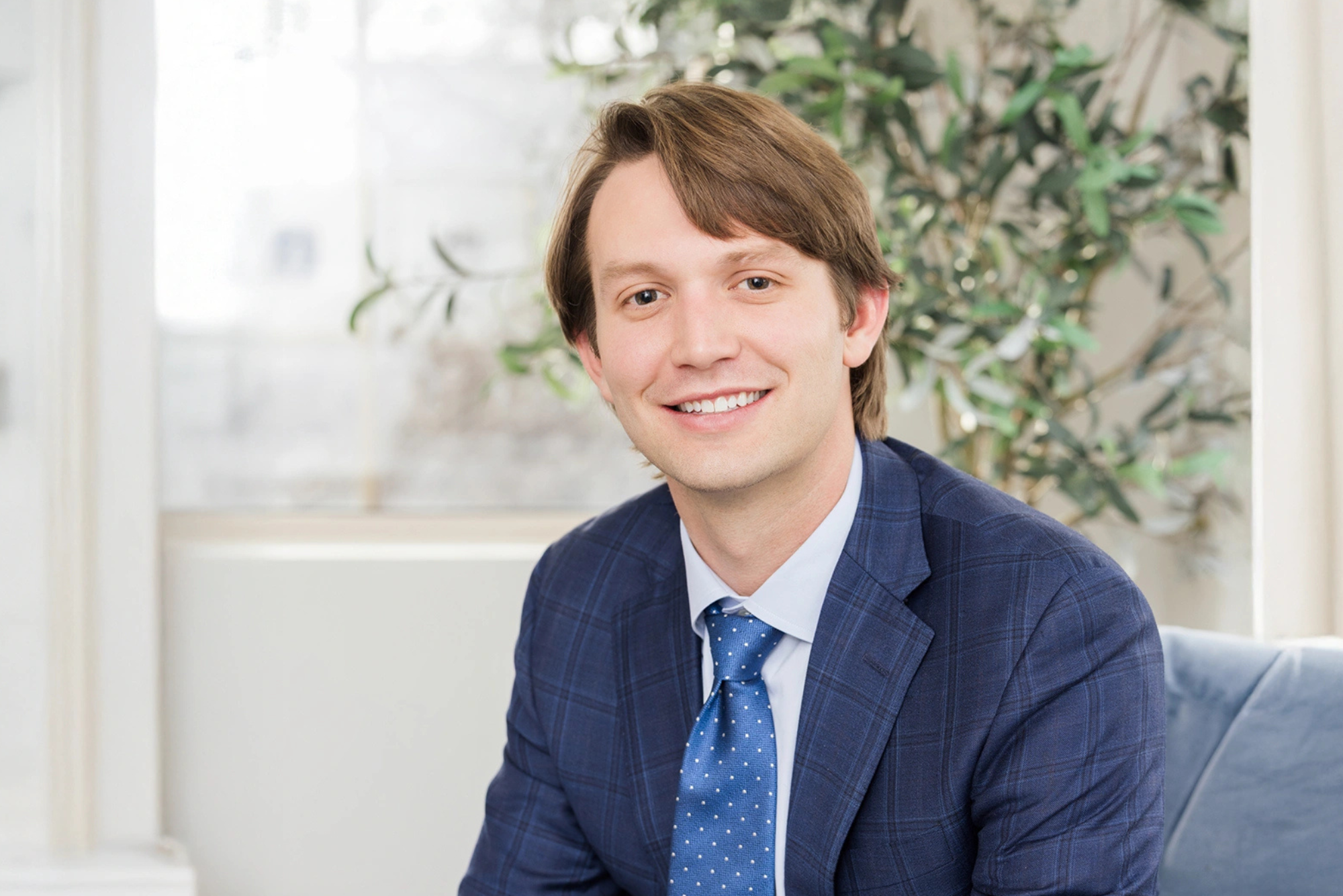
Dr. William Pierce is a board-certified Family Medicine physician with experience in Emergency Medicine who joined Brentwood MD in 2025. He specializes in providing comprehensive, personalized care that combines preventive health strategies with acute medical expertise. Dr. Pierce is committed to building enduring patient relationships grounded in trust, clinical excellence, and collaborative health management.