
If you’ve struggled with symptoms like low energy, brain fog, and/or diminished libido for a while, you might have considered testosterone replacement therapy (TRT) as a possible solution.
But is TRT worth it? What changes can you actually expect? How long does it take to work?
Some improvements show up right away with TRT, and some take several months. As such, 90 days is a reasonable window for evaluating the before and after of TRT. At three months, early improvements solidify into measurable transformations, and longer-term effects begin to emerge. Together, these outcomes give a good indication of whether TRT is right for you.
What Is Testosterone Replacement Therapy (TRT)?
Testosterone replacement therapy uses either synthetic or bioidentical hormone to restore your body’s testosterone to a target range, mainly through injections, pellets, or creams. Bioidentical testosterone (which I prefer in my practice) matches your body’s natural hormone composition at the molecular level, behaving exactly the same way as your own testosterone.
TRT is safe and effective when properly administered and monitored by an experienced physician. Decades of research from the Mayo Clinic, NIH, and the American Association of Clinical Endocrinologists confirm that testosterone therapy delivers significant benefits without the clotting risks some outdated studies suggested.
In my practice, the goal of TRT isn’t just “normal” levels; it’s optimization. “Normal” just means the average of everyone else in the country at your age, most of whom aren’t particularly healthy. Instead of shooting for average, I aim to get my members back to their optimal selves.
Getting TRT Right: The 90-Day Experiment
If you’re wondering whether TRT makes sense for you and how quickly you’ll see results, remember that finding the appropriate dosage for your body is an important part of the process. TRT is a personalized therapy that requires the right dosage over the right amount of time.
For instance, you can’t expect to take a microdose of testosterone every six weeks and see meaningful results. Yes, you’re technically “on TRT,” but at a level that’s akin to spitting in the ocean. Think of it like going to the gym once every six weeks and expecting to lose weight. That’s just not effective.
Total exposure over an extended period of time matters. You’ll need to work with a physician who understands personalized TRT and optimization, and give the therapy enough time to produce results.
DOWNLOAD OUR FREE EBOOK
Concierge Medicine is the future of healthcare.
Five honest questions to help you decide, plus a clear look at how membership medicine differs from the care you have now.
THE CONCIERGE MEDICINE GUIDE
Is Concierge Medicine Actually Right for You?
If you don’t notice any positive changes by 90 days, then either TRT isn’t for you, or you haven’t found the appropriate dosage yet.
If after three months on an optimized dose you’re experiencing elimination of brain fog, renewed fire in the belly, increased libido and creativity, and more mental clarity, then TRT is likely the right move.
So, what can you expect from TRT after three months? Let’s take a look.
TRT Before and After 3 Months for Men
In men, testosterone declines over time, potentially leading to symptoms that significantly impact their quality of life, such as:
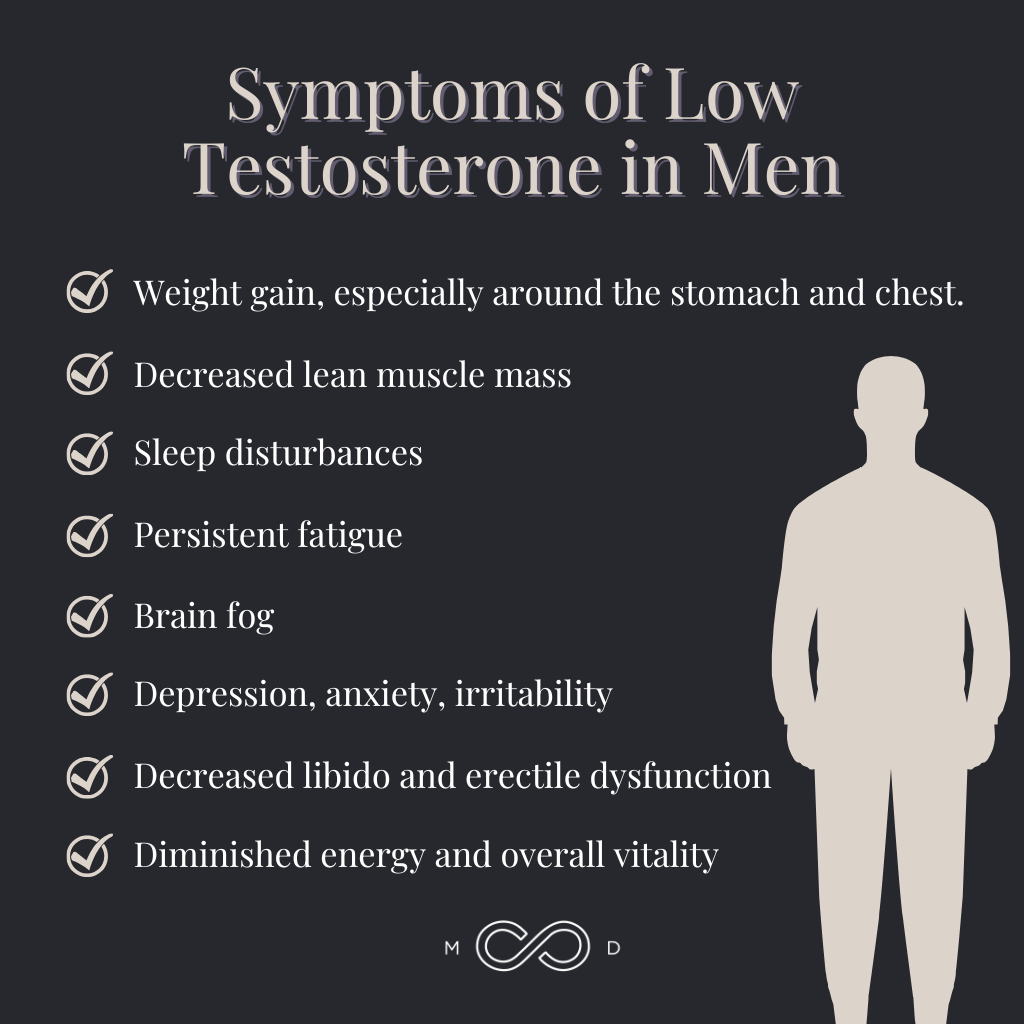
- Weight gain, especially around the stomach and chest
- Decreased lean muscle mass
- Sleep disturbances
- Persistent fatigue
- Brain fog
- Depression, anxiety, irritability
- Decreased libido and erectile dysfunction
- Diminished energy and overall vitality
Testosterone levels begin declining around age 30 at approximately 1% per year, making changes gradual enough that many men just assume their symptoms are an inevitable part of aging. But they don’t have to be.
Once men find the right dosage level of TRT, they often experience dramatic improvements in symptoms. Some occur right away, and some take longer to appear. However, you’ll know about what you can expect within three months of starting treatment.
TRT After 3 Months
Energy and Body Composition Changes
After three months on TRT, body composition changes become apparent, especially if accompanied by regular strength training. Men often begin to notice significant gains in lean body mass and loss of body fat, including visceral fat. Energy levels typically stabilize, and afternoon crashes disappear, replaced by consistent vitality.
Sexual and Hormonal Function
By three months, sexual desire has typically increased, though function and performance may take up to six months for noticeable improvement. Healthy lifestyle modifications alongside TRT can help to target non-hormonal factors involved in sexual dysfunction, such as high blood pressure, insulin resistance, and excess weight.
Cognitive and Mood Improvements
For most men, mental clarity and focus become noticeably sharper by three months. They experience an enhanced ability to concentrate on complex tasks and improved memory, alongside a renewed sense of purpose, vigor, and motivation.
Many men also notice mood improvements starting at three to six weeks of treatment. By three months, even depressive symptoms frequently show marked improvement.
Sleep Quality and Metabolic Health
For men struggling with sleep issues, many experience improved sleep quality, fewer nighttime interruptions, and more restorative rest.
And because testosterone operates to reduce inflammation and support improved insulin sensitivity, many men notice improvements in cardiovascular risk factors like triglycerides and lipid profiles.
TRT Before and After 3 Months for Women
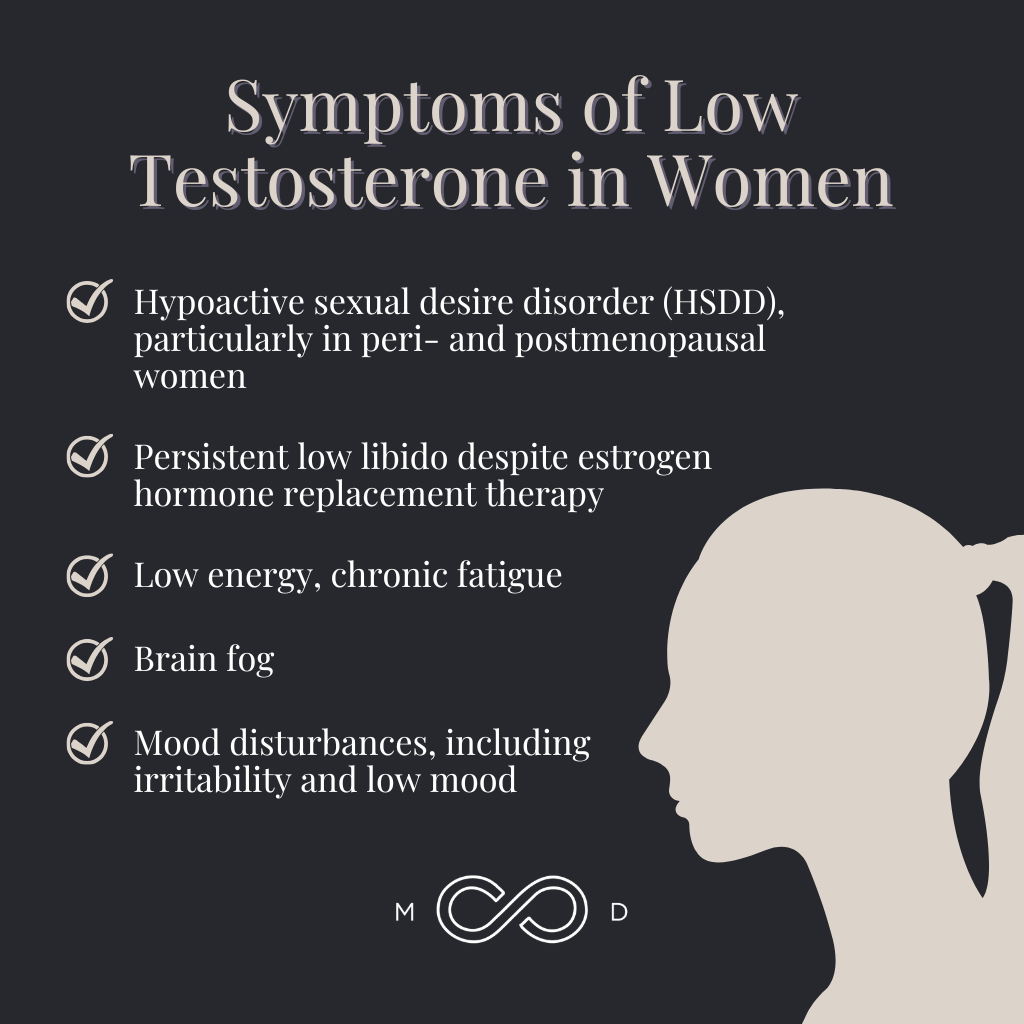
Women most often consider low-dose testosterone therapy for:
- Hypoactive sexual desire disorder (HSDD), particularly in peri- and postmenopausal women
- Persistent low libido despite estrogen hormone replacement therapy
- Low energy, chronic fatigue
- Brain fog
- Mood disturbances, including irritability and low mood
Testosterone therapy for women uses doses that restore testosterone to normal premenopausal female ranges, not male ranges. This is physiologic replacement, not bodybuilding dosing. At times, especially in peri- and postmenopausal women, TRT may be combined with estrogen or progesterone therapy for maximum effectiveness.
TRT After 3 Months
Sexual Desire and Function
This is the most robust benefit for women on TRT. By six to 12 weeks, studies show:
- Increased sexual desire and thoughts about sex
- More frequent and satisfying sexual events
- Improved arousal, function, and orgasm intensity
- Reduced distress about sex
Most women notice clear sexual improvements within the first three months, making this an excellent trial window.
Mood, Cognition, and Mental Clarity
A study of 510 women on transdermal testosterone found that after four months, all measured mood and cognitive symptoms improved, including low mood, irritability, poor concentration, and memory complaints.
Energy and General Well-Being
Women commonly report by three months:
- More stable daytime energy and motivation
- Feeling more “like themselves”
- Less fatigue accompanying menopausal symptoms
- Improved overall sense of well-being
Physical Changes
At appropriate dosages, TRT’s physical effects are more subtle than those related to mood and cognition:
- Slight increase in strength or exercise capacity with resistance training
- Potential small improvements in muscle tone
- Possible early effects on bone metabolism, though measurable bone-density improvement takes months to years
Large muscle mass increases or “male-type” changes aren’t normal at proper female doses. If they do occur, your dose is too high.
Side Effects and Contraindications
Side Effects for Men
It’s important to speak with a knowledgeable doctor about potential risks before starting TRT.
Regular monitoring for adverse effects is also important. Potential side effects include:
- Acne and oily skin
- Excess hematocrit elevation (should not exceed 54%)
- Mood fluctuations (if dosing is too high)
- Temporary worsening of sleep apnea, typically resolving by 18 weeks
Side Effects for Women
Some mild side effects women may experience on TRT include:
- Acne or oilier skin
- Increased facial or body hair
- Slight scalp hair shedding
If your dose is too high, side effects can be more serious or distressing. Red flags for dosages in excess of normal female levels include:
- Permanent voice deepening
- Clitoromegaly
- Severe male-pattern baldness
Who Should Avoid TRT
Testosterone therapy is not appropriate for individuals with:
- Current or past hormone-sensitive cancers (though recovered prostate cancer patients with PSA <1 may be candidates)
- Severe liver disease (particularly with oral testosterone; other formulations may be safe)
- Unexplained vaginal bleeding
- Pregnancy (serious complications)
Alternatives to TRT to Boost Testosterone
If you can’t (or don’t want to) try TRT, certain lifestyle modifications may help optimize natural testosterone production:
Dietary Changes
Avoid highly processed, inflammatory foods and eat more healthy fats in place of sugars and refined carbohydrates (think coconut oil, dairy, salmon, seeds, nuts, avocado, and olive oil). Men struggling with obesity may also benefit from adopting intermittent fasting into their lifestyle, though men without excess body fat may not see the same improvements.
Exercise Strategies
High-intensity interval training and strength training both induce testosterone release. Strength training three to four days per week, combined with HIIT and intermittent fasting, creates an exponential multiplier effect that burns deep visceral fat.
Stress Management
Chronic stress leads to high cortisol, which suppresses testosterone. Managing stress through meditation, adequate sleep, and lifestyle balance supports healthier hormone levels.
TRT Before and After 3 Months: Final Thoughts
If you’re still curious about TRT before and after three months, I encourage you to speak with a knowledgeable physician about whether this treatment could be right for you.
But remember, TRT isn’t one-size-fits-all, and your healthcare shouldn’t be either. Look for a physician with experience in TRT optimization who will take the time to review your symptoms, history, and goals, and who has the bandwidth and availability to proactively monitor your dosage and progress.
By three months, you’ll know whether you’re found the right path toward becoming the best version of yourself.

Dr. Aaron Wenzel is a concierge physician specializing in the care of fast-moving entrepreneurs, executives, and public figures in the Nashville, TN area. Dr. Wenzel’s diverse life experience and extensive training in family medicine, emergency care, nutrition, and hormone replacement therapies give him the unique platform to provide unmatched care for his patients.

Dive deeper into maximizing your lifespan and healthspan with Dr. Aaron Wenzel’s new book.