When people ask me why I became a doctor, I always talk about my dad. He practiced as an OB-GYN in our West Tennessee community, building lasting relationships and making a real impact on people’s lives.
His example inspired me, and it led to my pursuit of a career in medicine.
Times have changed, however, and so has the healthcare landscape. While my dad was able to get to know his patients and provide fairly personalized care for them, I discovered the modern medical model has moved in a drastically different direction: quick, impersonal, and disease-oriented.
If I wanted to practice truly meaningful health care, I had to find another way.
What the Conventional Medical System Gets Wrong
During my training in primary care, I found myself in the traditional clinic setting most people are familiar with: 10- to 15-minute appointments (if that), back-to-back, all day long. The focus was almost entirely on disease management, following protocols, working through checklists, and making sure every algorithm was satisfied.
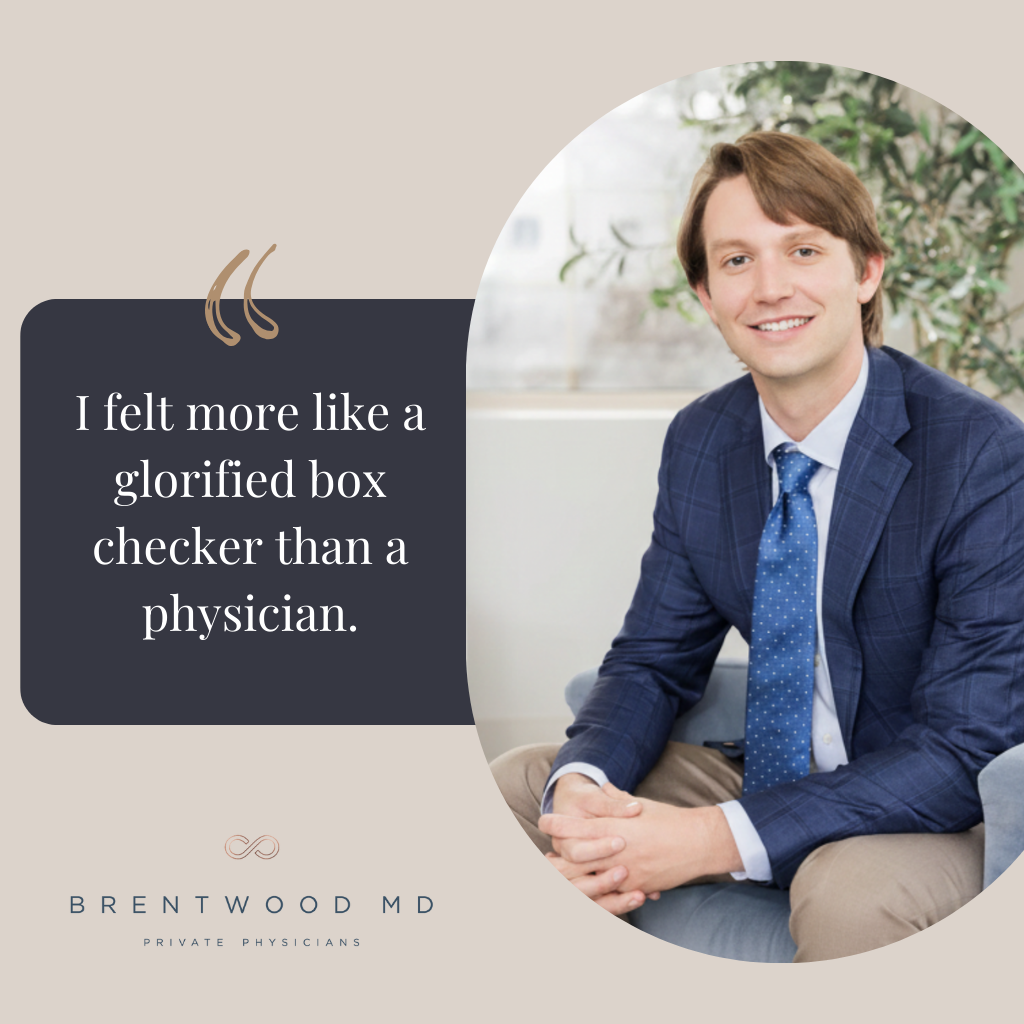
I felt more like a glorified box checker than a physician.
There was almost no time to deal with preventative work or truly talk about health. When you’re booked out every 10 to 15 minutes all day, you have to spend all your focus and energy on disease. There’s no time to discuss a person’s healthcare goals. There’s no time to share information on healthy lifestyles or behaviors that can actually prevent disease.
Now, I could do the box-checker job, and I could do it well. But whenever I looked five or ten years down the road, I had questions.
Would this fulfill me? Would I really make a difference in people’s lives? Would I develop the deep relationships with patients that drew me to medicine in the first place?
Or would I burn out, like so many medical professionals today?
I knew the honest answers weren’t good.
How I Found a Different Path
The truth is, the current sick care, insurance-based system just isn’t designed to help patients build the healthiest, longest lives possible. And that doesn’t line up with the way I want to practice medicine.
I shared some of my frustrations with my residency program chair, Dr. Greg Mitchell, who’s trained family medicine residents in Jackson for the last 30 years. To my surprise, he not only understood… he had a solution in mind.
Dr. Mitchell told me about a different way to practice, a way called concierge medicine. He’d actually trained Dr. Wenzel and was familiar with Brentwood MD. He told me they practiced medicine in a really unique way and suggested I check them out.
So I did. I started with Brentwood MD’s online content and learned as much as I could about this model of care. The more I read, the more intrigued I became. Eventually Dr. Mitchell introduced me to Dr. Wenzel himself, and we hit it off. From that point forward, I was sold not just on concierge care but on Brentwood MD specifically.
Concierge Medicine: Why More Time Actually Changes Care
A lot of people mistakenly think concierge medicine is just about shorter wait times or nicer waiting rooms. And sure, those can be great parts of this model. But it’s only scratching the surface.
The biggest factor that makes concierge medicine different is time spent in appointments with patients. Because more time doesn’t just mean “nicer” visits. It literally changes the kind of medicine we can practice.
I get to sit down, hear your story, and understand what you value. Then I can build a plan around your goals instead of around your diagnoses. We have time to take a deep dive and do advanced risk stratification, talk honestly about what optimal looks like, and walk through the real foundations of health.
With enough time, a doctor isn’t relegated simply to putting out fires. They’re promoting actual health. And as a patient, you’re not just living longer. You’re actually living better.
Playing Offense, Not Defense
Let’s look at a concrete example: cardiovascular disease, the leading killer of human beings.
In the conventional system, you could go to the Cleveland Heart Clinic (the number one cardiovascular center in the United States) and ask, “How do I prevent a heart attack?” Their first questions will be: Are you having chest pain? Shortness of breath? Have you had a heart attack before?
If you don’t have those problems, there’s not much they can do for you. They’ll likely give you a funny look, tell you to “eat healthy and exercise,” and send you packing. If you develop severe cardiovascular disease in the future or have an actual heart attack, they’ll have more for you then.
The conventional system doesn’t offer much until smoke (concerning symptoms) starts to rise or a bomb (heart attack, stroke, etc.) goes off.
But I don’t want to wait for problems to appear before making patients’ lives better. I want to help them optimize their health now, and hopefully avoid those problems altogether.
I want to play offense.
Why Brentwood MD Specifically
Other concierge practices exist out there, so why Brentwood MD?
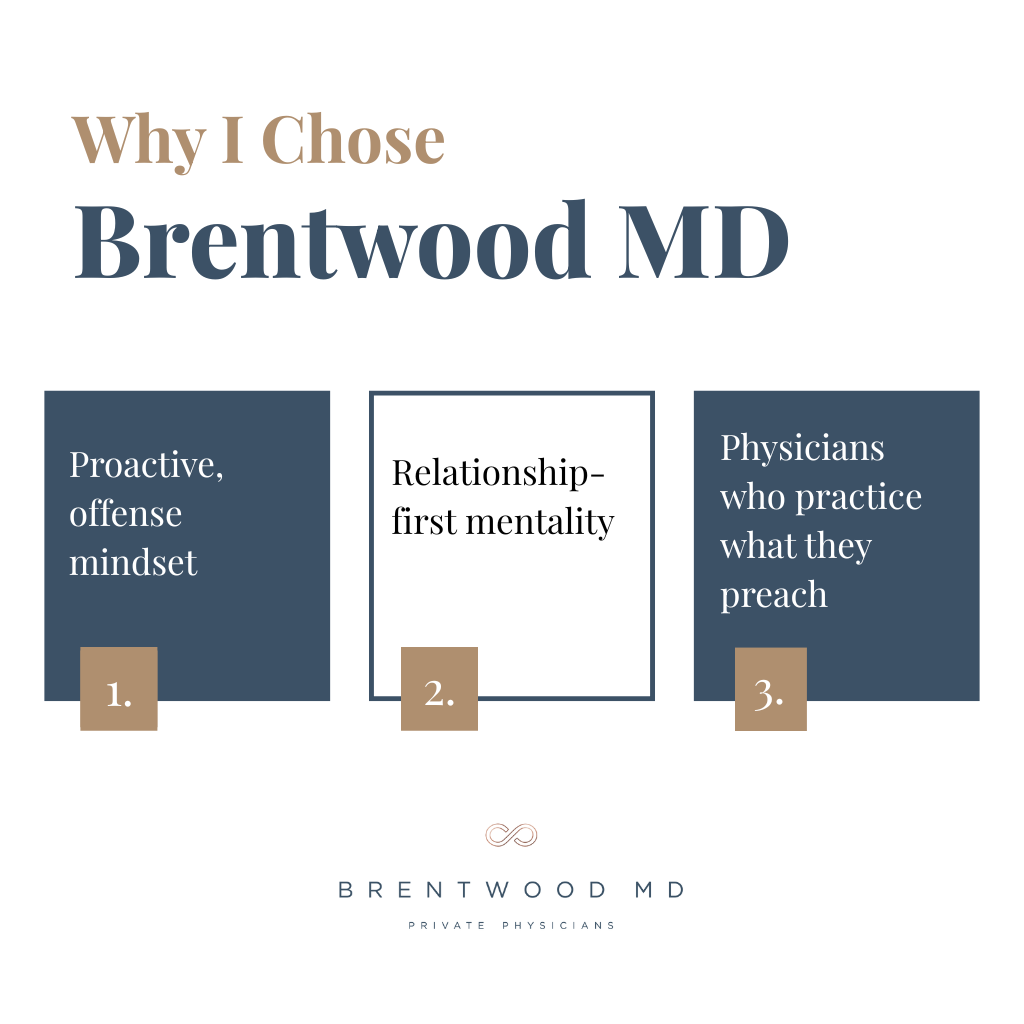
Firstly, this practice operates with the offensive mindset I was looking for. Here, we risk-stratify each patient for the biggest threats to human health. We use advanced imaging and cutting-edge technologies to identify developing issues before symptoms appear. We look at more in-depth labs, and we provide personalized guidance based on what we find.
Secondly, I was drawn to Brentwood MD’s relationship-first mentality. The culture here is deeply proactive and passionate about people and their health. This includes care for illnesses, of course, but it also encompasses support for longevity, quality of life, and personal goals. In other words, this practice cares for the whole human.
Finally, I was impressed that the physicians at Brentwood MD are actually trying to live what they preach. The advice they give in the exam room is advice they follow themselves. They’re not just skilled at their jobs. They’re great people and mentors in both practice and life.
I feel genuinely blessed to be at Brentwood MD. I joke that I’m lucky they chose me, and I can’t imagine being anywhere else.
Continual Confirmation I Made the Right Choice
Though I’ve only been here a short time, I’ve already had many moments that reinforce my decision to practice at Brentwood MD. I’ll share just one that sticks out in my memory:
A new patient came in with severe and poorly controlled disease. This patient had a long history of looking for help in the conventional system but had gotten nowhere.
Instead of just stacking on more medications, we completely revamped the patient’s nutrition, movement, and daily routines. And guess what. Their numbers started to normalize; the disease started to come under control.
Watching a patient like this normalize their numbers (not because of some brand-new drug, but because of the time, relationship, and accountability to make real-life changes) makes you really rethink what good medicine is.
Yes, medications absolutely have their place. Sometimes a patient needs an antibiotic or a blood pressure pill. But seeing someone transform their health through behavior change is another level of rewarding.
What You Can Expect Working With Me
I have a little metaphor I like to tell people: I’ve been pickled. And once you’ve become a pickle, you can never go back to being a cucumber again.
Once I figured out this way of practicing medicine was an option, this was what I had to do. If I didn’t get a position here at Brentwood MD, I was going to go make something similar happen elsewhere. Because the way we’re able to take care of people here is incredible.
You’re never just a number. We treat you like family. I really want to learn your story: your goals, your fears, what success looks like for you. Then it’s my job to walk toward that vision with you.
The model at Brentwood MD lets us build something that looks and feels totally different from the kind of healthcare most people are used to. It’s more personal, more proactive, and truly centered around the member.
That’s the kind of medicine I set out to practice when I was watching my dad care for our community all those years ago. And that’s exactly the kind of medicine I get to practice here, every single day.
I’m grateful to be here, and I’m looking forward to getting to know you.
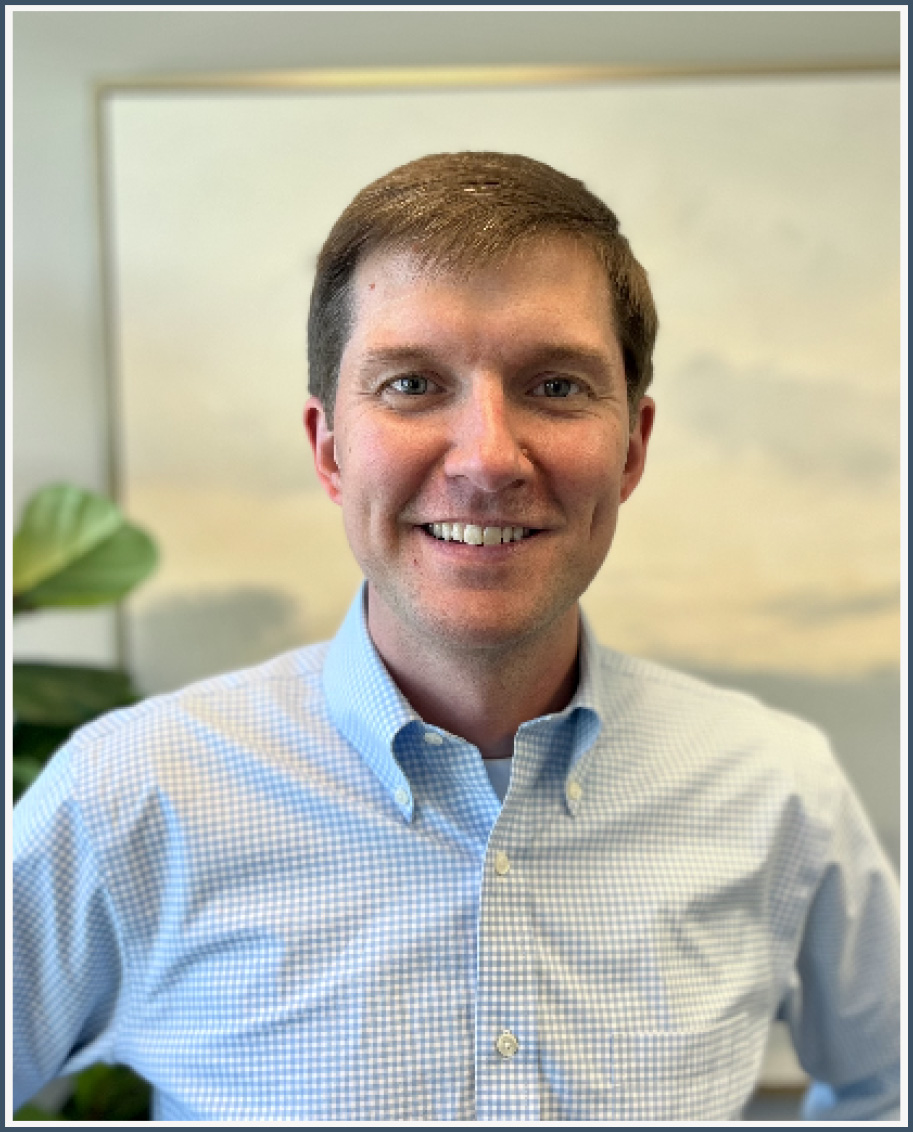
Dr. William Pierce is a board-certified Family Medicine physician with experience in Emergency Medicine who joined Brentwood MD in 2025. He specializes in providing comprehensive, personalized care that combines preventive health strategies with acute medical expertise. Dr. Pierce is committed to building enduring patient relationships grounded in trust, clinical excellence, and collaborative health management.